
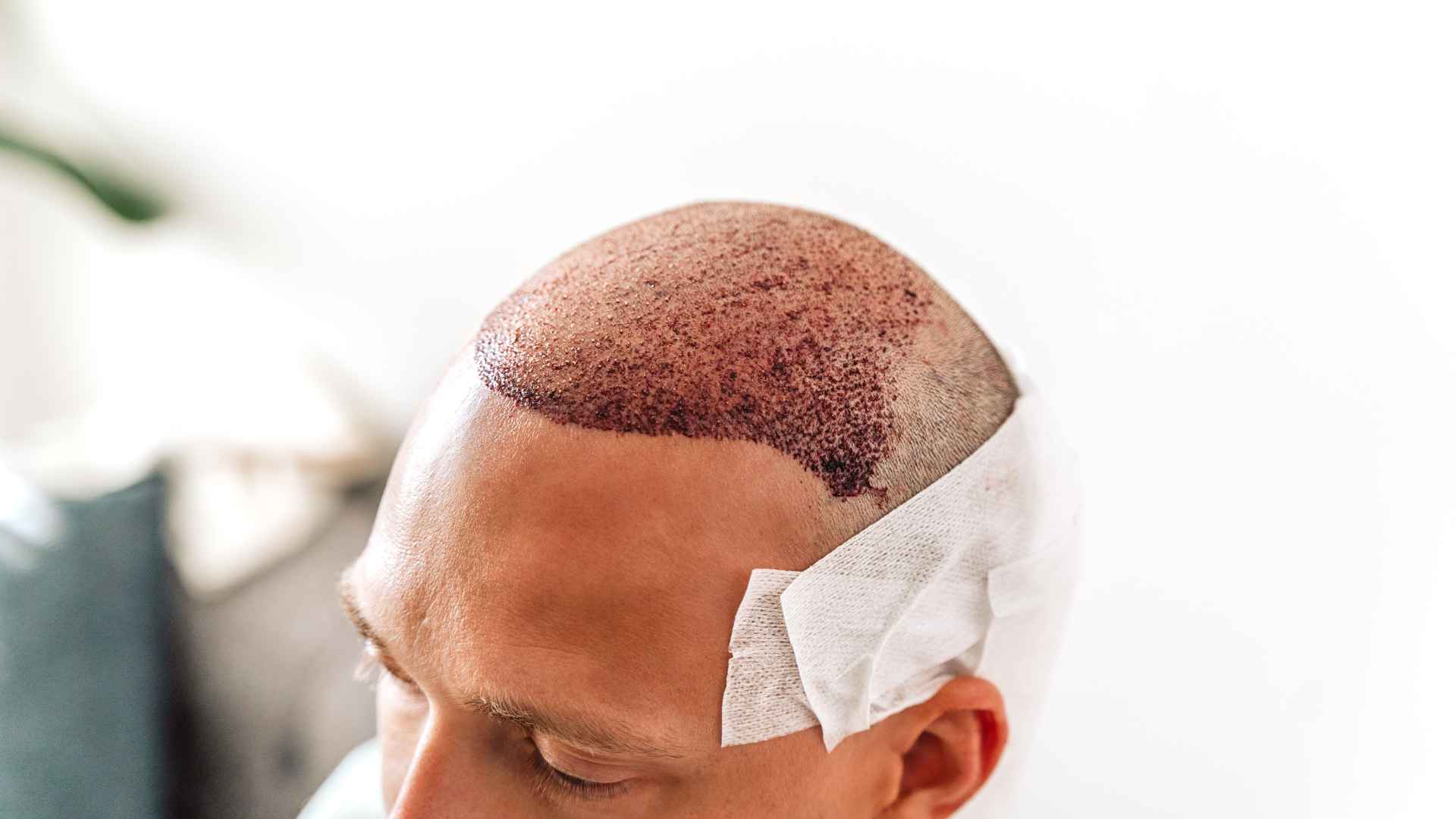
A Follicular Unit Extraction (FUE) hair transplant is a highly effective, minimally invasive procedure to restore hair density and refine your hairline. However, the success of the surgery does not depend solely on what happens in the operating room. Post-operative care is crucial for the survival of the newly transplanted grafts. For active individuals, one of the most common questions is: how long after FUE hair transplant can I exercise?
In this comprehensive guide, we will provide a safe, step-by-step post-transplant exercise timeline, explain why rushing back to the gym can jeopardize your results, and outline the rules to protect your hair grafts during recovery.
Key Takeaways
- Days 1 – 3: Strictly no exercise. Rest is essential for the grafts to begin anchoring.
- Days 4 – 7: Very light walking is permitted. Avoid any activity that raises your heart rate or causes sweating.
- Days 10 – 14: Light cardiovascular exercise (e.g., stationary cycling at low intensity) is generally safe.
- Week 4+: You can gradually return to your normal routine, including weightlifting, running, and swimming.
- Key Risks: Rushing into heavy workouts can raise blood pressure, dislodge grafts, and cause scalp infections due to sweat.
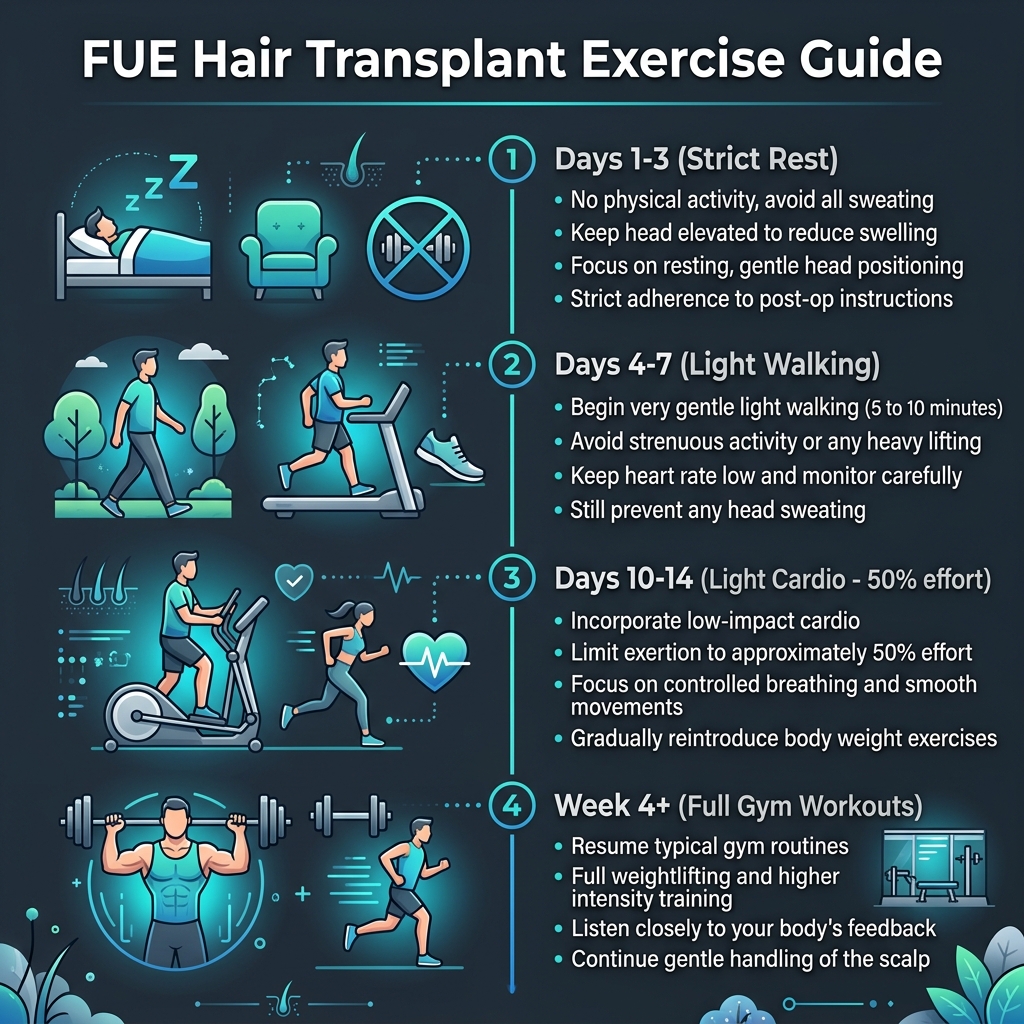
Table of Contents
- Why Post-Op Rest is Critical: Graft Anchoring
- Safe Post-Transplant Exercise Timeline
- The Risks of Exercising Too Soon
- General Rules for Protecting Your Grafts
- Consulting Your Specialist
- Frequently Asked Questions (FAQs)
Why Post-Op Rest is Critical: Graft Anchoring
During an FUE procedure, individual hair follicles are extracted and placed into tiny incisions in the recipient area. In the first few days following the surgery, these grafts are extremely delicate. They have not yet established a secure blood supply or anchored themselves into the surrounding scalp tissue.
Any friction, excessive sweating, or sudden increases in blood pressure can cause the grafts to pop out or fail to take root. Resting during the initial healing phase is the most critical factor in ensuring maximum graft survival and achieving the dense, natural-looking hairline you desire.
Safe Post-Transplant Exercise Timeline
To protect your investment and ensure a successful recovery, it is vital to follow a gradual return-to-exercise timeline. Below is the general clinical guideline followed by most hair restoration specialists:
| Post-Op Phase | Permitted Activity | Important Rules & Restrictions |
|---|---|---|
| Days 1 – 3 | Strict Rest Only | No physical exertion. Keep head elevated, avoid bending over. |
| Days 4 – 7 | Very Light Walking | Short, leisurely walks. Keep heart rate low. Absolutely no sweating. |
| Days 10 – 14 | Light Cardio | Stationary cycling or elliptical at low intensity (50% effort). Avoid heavy sweating. |
| Week 4 and Beyond | Full Workouts (Gradual) | Weightlifting, running, and swimming. Check with your surgeon first. |
The Risks of Exercising Too Soon
Working out too early introduces several physiological risks to your healing scalp:
- Elevated Blood Pressure: Strenuous exercise raises your heart rate and blood pressure. Increased pressure in the scalp vessels can trigger bleeding or throbbing, which can push the delicate grafts out of their incisions.
- Excessive Sweating: Sweat creates a warm, moist environment on the scalp, which is a breeding ground for bacteria. This increases the risk of folliculitis (infection of the hair follicles) and can irritate healing scabs.
- Physical Strain and Tension: Exercises like heavy squats, deadlifts, or chin-ups involve straining and tensing. Bending over or straining can stretch the scalp tissues, putting tension on both the donor and recipient areas.
- Accidental Trauma: Going to a busy gym increases the risk of accidentally bumping your head against equipment or another person, which can immediately dislodge healing grafts.
General Rules for Protecting Your Grafts
Keep these additional safety rules in mind as you ease back into your physical routine:
- Avoid Direct Sunlight: A sunburned scalp can damage healing hair follicles. If exercising outdoors after week 2, wear a loose-fitting hat to protect your scalp from UV rays.
- Keep the Scalp Clean: Wash your scalp gently with the recommended post-op shampoo immediately after any activity that causes mild perspiration to prevent bacterial buildup.
- No Swimming in Chlorinated Pools: Chlorine and pool chemicals can irritate the healing incisions and damage grafts. Avoid swimming for at least 4 weeks post-op.
- Avoid Contact Sports: Activities like soccer, basketball, or boxing carry a high risk of head impact. Avoid these for at least 6 to 8 weeks.
Consulting Your Specialist
While standard timelines are helpful, every patient’s healing rate is unique. Consulting a hair restoration expert is the best way to get a personalized recovery plan tailored to your lifestyle and the size of your procedure.
For expert advice and personalized post-operative care, Dr Arefa Patel, a highly respected Trichologist and Skin Specialist, offers comprehensive evaluations and guidance. By assessing your scalp’s healing progress, Dr. Patel can safely clear you for physical activities without risking your results. To learn more about the advanced restoration methods used, explore our FUE hair transplant services.
Frequently Asked Questions (FAQs)
When can I lift weights after an FUE hair transplant?
You should wait at least 4 weeks before resuming heavy weightlifting. Straining and tensing during heavy lifts can raise blood pressure and stretch the scalp tissue, which can damage the transplanted follicles or donor scars. Start with lighter weights and avoid straining exercises in the first few weeks back.
Can I sweat after a hair transplant?
You should avoid sweating for the first 10 to 14 days. Sweat can irritate the healing scalp, increase the risk of bacterial infection, and soften scabs prematurely. If you do perspire, gently clean your scalp using the post-operative washing instructions provided by your clinic.
What happens if I accidentally bump my head after the surgery?
If you bump your head in the first 7 to 10 days, there is a high risk of dislodging the grafts, which may cause bleeding. If you notice bleeding or suspect a graft has been lost, contact your clinic immediately for guidance.
When can I wear a gym cap or helmet?
You should avoid wearing tight gym caps, helmets, or headbands for at least 2 to 3 weeks. Tight headwear can cause friction and press against the grafts, which can damage them. If you need to go outside, wear a loose, adjustable hat that does not touch the recipient area.
Conclusion
Resuming exercise after an FUE hair transplant requires patience, but protecting your results is well worth the wait. By following a gradual timeline—avoiding all exercise for the first 3 days, sticking to walking in the first week, and waiting 4 weeks for full workouts—you can ensure maximum graft survival. Always consult your surgeon for personalized clearance before returning to the gym.
Comments are closed