
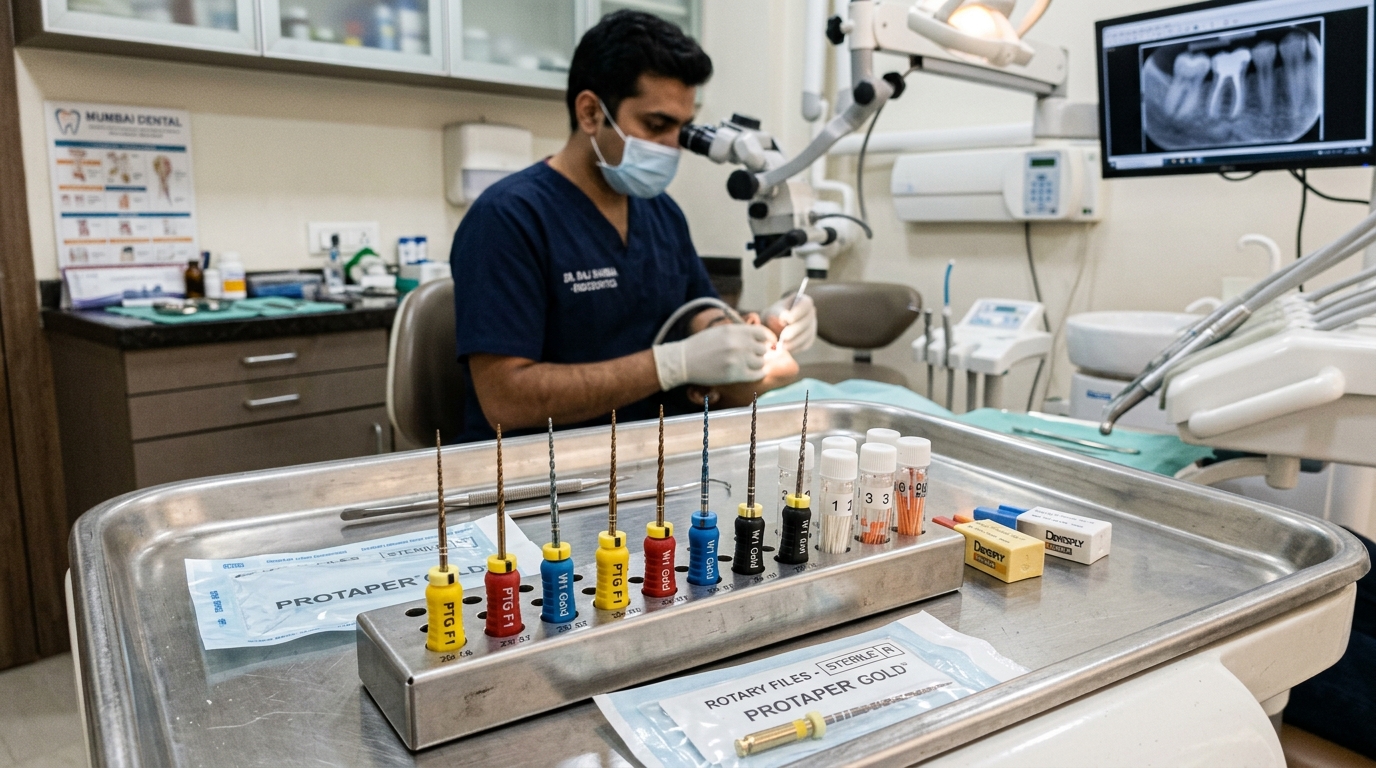
If a previously treated tooth starts aching or showing signs of re-infection, patients frequently ask can a root canal be removed. Depending on your dental diagnosis, removing a root canal can mean either removing old internal fillings during endodontic retreatment to save your tooth, or extracting the tooth if structural damage is beyond repair.
Key Takeaways
- Two Clinical Meanings: Removing a root canal can refer to removing old internal packing materials (Retreatment) or surgically extracting the root-canal-treated tooth.
- Retreatment Saves Your Natural Tooth: Endodontic retreatment unseals the old filling, thoroughly disinfects all root channels, and re-seals the tooth to cure infection without extraction.
- Apicoectomy Alternative: A minor surgical procedure (root-end resection) that removes only the infected root tip while leaving the rest of the natural tooth intact.
- Extraction Is a Last Resort: Tooth extraction is reserved strictly for cases with vertical root fractures or severe, un-restorable crown destruction.
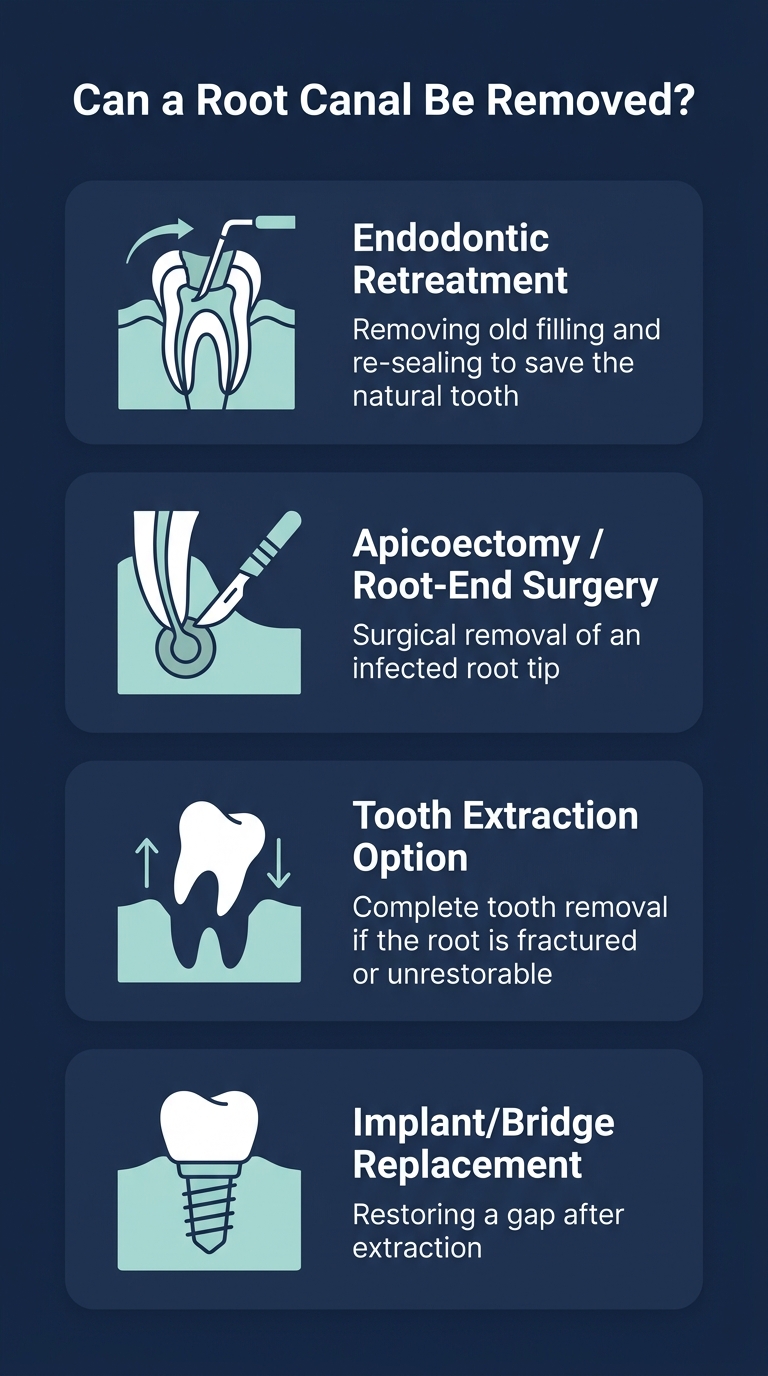
Table of Contents
- What Does “Removing a Root Canal” Mean?
- Option 1: Root Canal Retreatment (Saving the Tooth)
- Option 2: Apicoectomy (Root-End Surgery)
- Option 3: Tooth Extraction & Replacement
- Retreatment vs. Tooth Extraction Comparison
- Expert Endodontic Care with Dr. Saurabh Pakhale
- Frequently Asked Questions
What Does “Removing a Root Canal” Mean?
When inquiring whether can a root canal be removed, endodontists evaluate two distinct procedures based on your tooth’s internal condition:
- Removing the Old Root Canal Filling (Retreatment): If a previous root canal becomes re-infected due to missed accessory canals or coronal leakage, an endodontist removes the old gutta-percha filling material, sterilizes the channels, and re-seals the natural tooth.
- Removing the Entire Tooth (Extraction): If the root structure is fractured or severely broken, the entire tooth is extracted and replaced with a dental implant or bridge.
Option 1: Root Canal Retreatment (Saving the Tooth)
Preserving your natural tooth is always the primary goal in modern dentistry. During endodontic retreatment:
- Access & Unsealing: The existing crown or filling is accessed, and specialized rotary tools dissolve and remove the old internal gutta-percha filling.
- Microscopic Inspection & Disinfection: High-magnification optics locate hidden or curved accessory canals that were missed during initial treatment. Ultrasonic irrigants destroy all residual bacteria.
- 3D Re-Obturation: Canals are refilled with fresh biocompatible gutta-percha and sealed permanently with a new custom crown.
Option 2: Apicoectomy (Root-End Surgery)
If an infection persists at the very tip of the tooth root (apex) and conventional retreatment is unfeasible, an apicoectomy can be performed. The surgeon makes a small opening in the gum tissue, removes the infected root tip, places a small biocompatible root-end filling, and stitches the gum tissue back in place.
Option 3: Tooth Extraction & Replacement
Complete tooth removal is necessary only when the tooth cannot be saved through retreatment or apicoectomy. Clinical indications for extraction include:
- Vertical root fractures (split root running below gumline)
- Severe bone loss leaving the tooth loose and unsupported
- Massive decay extending deep into the root sub-structure
Following extraction, the missing tooth gap should be restored with a dental implant or fixed bridge to prevent adjacent teeth from shifting.
Retreatment vs. Tooth Extraction Comparison
Compare the clinical differences between saving your tooth via retreatment versus extracting it:
| Evaluation Factor | Root Canal Retreatment | Tooth Extraction + Implant |
|---|---|---|
| Primary Goal | Preserve natural tooth root & bone | Remove unrestorable tooth & replace gap |
| Surgical Invasiveness | Non-surgical endodontic procedure | Surgical extraction + implant placement |
| Natural Chewing Sensation | Retains 100% natural periodontal ligament feel | Prosthetic feel (implant fused to bone) |
| Clinical Success Rate | 85% – 90%+ High Success Yield | 95%+ for dental implants |
Expert Endodontic Care with Dr. Saurabh Pakhale
At Elite Dermadent, Dr. Saurabh Pakhale, Endodontist and Dental Surgeon, provides advanced diagnostic imaging and micro-endodontic retreatment to save previously treated teeth.
Comprehensive Endodontic Solutions
- Painless Initial Therapy: Learn more about our painless Root Canal Treatment in Thane.
- Specialized Revision & Retreatment: If a root canal treated elsewhere is failing or aching, explore how expert Root Canal Retreatment removes old fillings, clears deep infections, and saves your natural tooth.
Frequently Asked Questions
Can old root canal filling material be safely removed?
Yes. Endodontists use specialized rotary micro-instruments and solvent solutions to safely unseal and remove old gutta-percha filling material without damaging the surrounding tooth structure.
Is it better to retreat a root canal or extract the tooth?
Retreatment is always preferred if the tooth root is structurally sound, as saving your natural tooth preserves your natural jawbone and chewing alignment. Extraction is recommended only when the root is fractured beyond repair.
How long does root canal retreatment take?
Root canal retreatment typically takes 1 to 2 sessions of 45 to 60 minutes each, allowing thorough removal of old materials, deep canal sterilization, and precise re-filling.
Does root canal retreatment hurt?
No. Retreatment is performed under complete local anesthesia. Because the original internal nerve was previously removed, discomfort during retreatment is minimal and resolves quickly.
Comments are closed